2026 Fall Consortium Meeting – Bridging the Gaps: HIV Prevention, Behavioral Health and Housing for Latine SF

Intersection of addiction, HIV prevention and care focus of May 2026 Consortium Meeting
May 29, 20262026 Fall Consortium Meeting – Bridging the Gaps: HIV Prevention, Behavioral Health and Housing for Latine SF

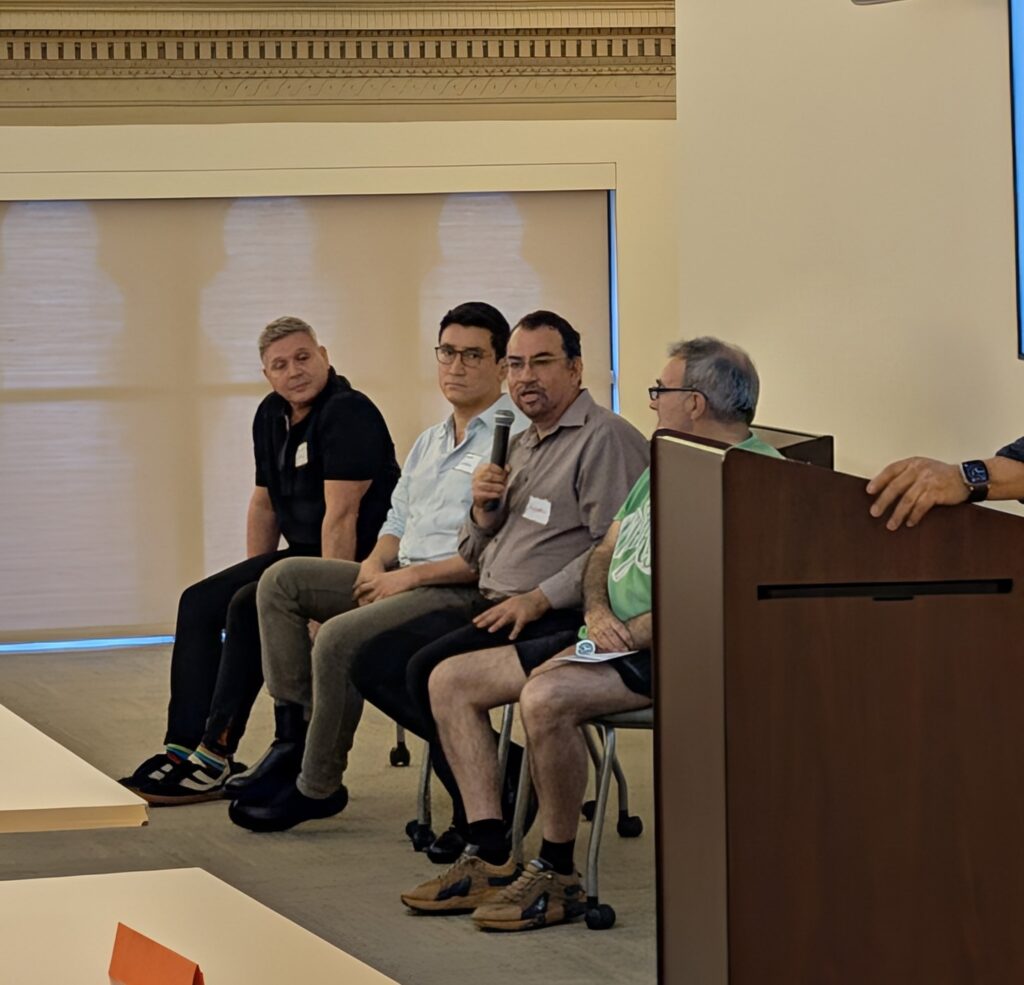
At last Thursday’s meeting, we reviewed the latest HIV epidemiologic trends among Latine with Dr. Susan Buchbinder. Following the data presentation, Dr. Carina Marquez shared an update on several programs and initiatives launched or expanded since our last meeting in 2024, and Jorge Zepeda led a discussion on the intersections of HIV, behavioral health, and housing security with Dr. Alejandro Castellanos (SFDPH WPIC/MXM), Dr. Luis A. Perez (IFRSF), Alejandro Nuno (Mission Action), and community attendees.
A few recommendations made during the discussion include:
- Expand testing and prevention, including community and home-based testing, and connect testing with PrEP education and access.
- Improve Spanish-language and culturally tailored outreach—including PrEP education.
- Extend the reach of the health access points (HAPs), and improve understanding of whether services are reaching Indigenous communities.
- Strengthen coordination across providers and agencies so people can find the right services more easily, including through cross-county collaboration and clearer navigation.
- Expand integrated behavioral-health and substance-use support, including Spanish-speaking services, contingency management, and culturally appropriate treatment.
- Prioritize safe, affordable housing and basic needs as they are the foundations for accessing medical, mental-health, and substance-use care.
- Make services more accessible amid immigration-related fear, create flexible ways to stay connected, such as phone or virtual appointments, when someone is afraid to travel or attend in person.
- Pay closer attention to shelter conditions and make affordable-housing programs easier to access for people who may lack the required income or residency documentation.
A link to the slides presented is here.
If you would like to join the GTZ-SF Latine HIV/STI Health work group, please email contact@gettingtozerosf.org.

